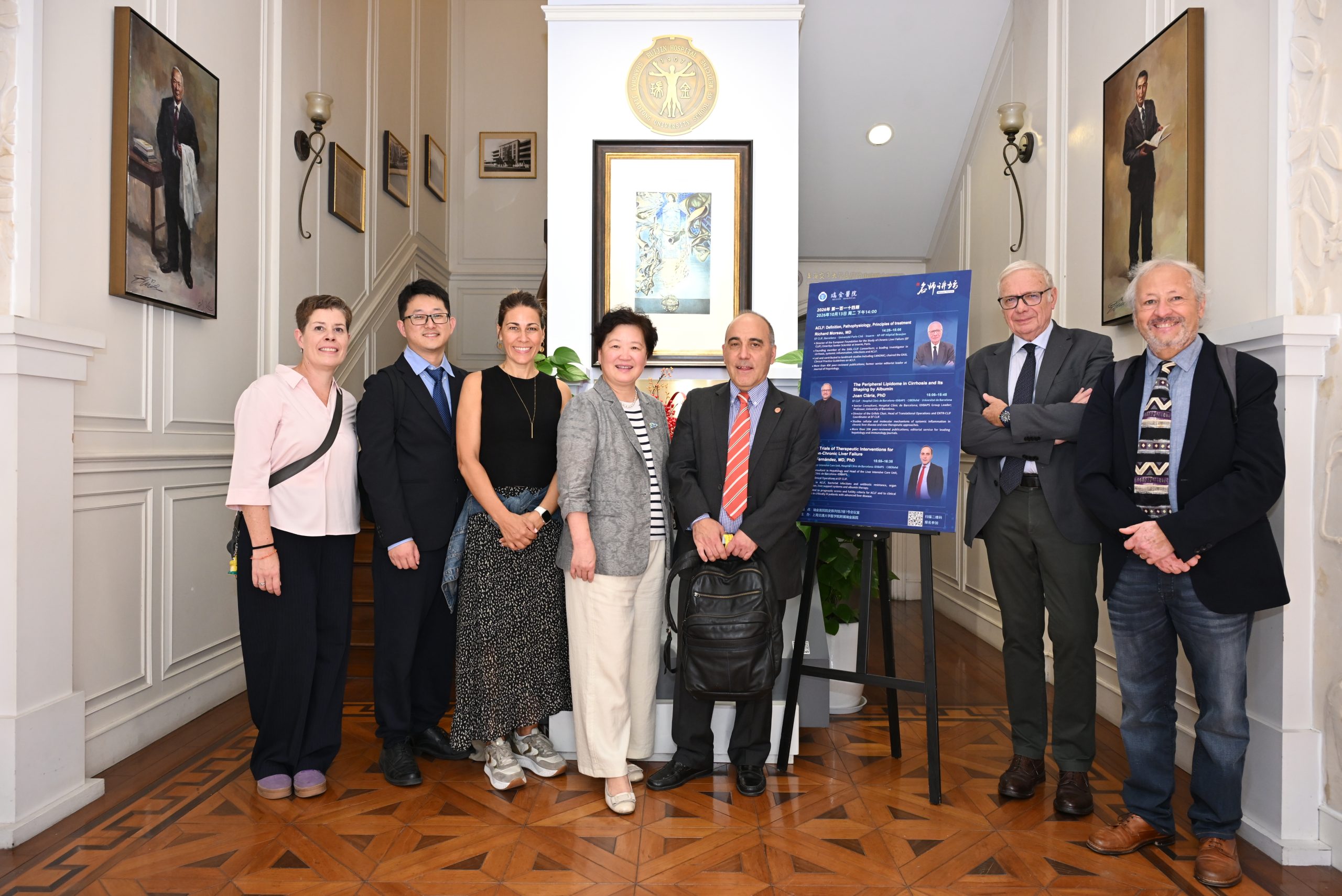
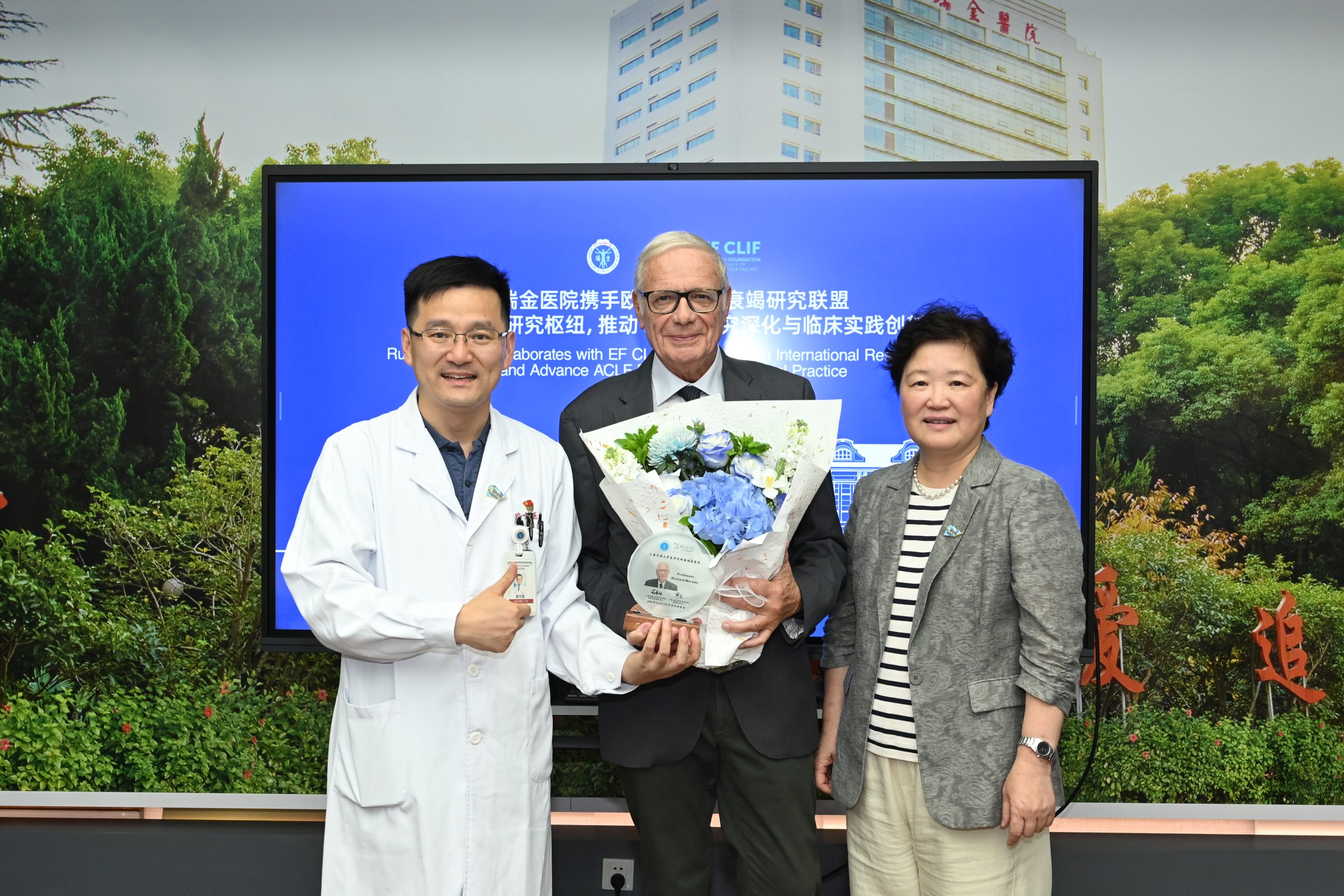
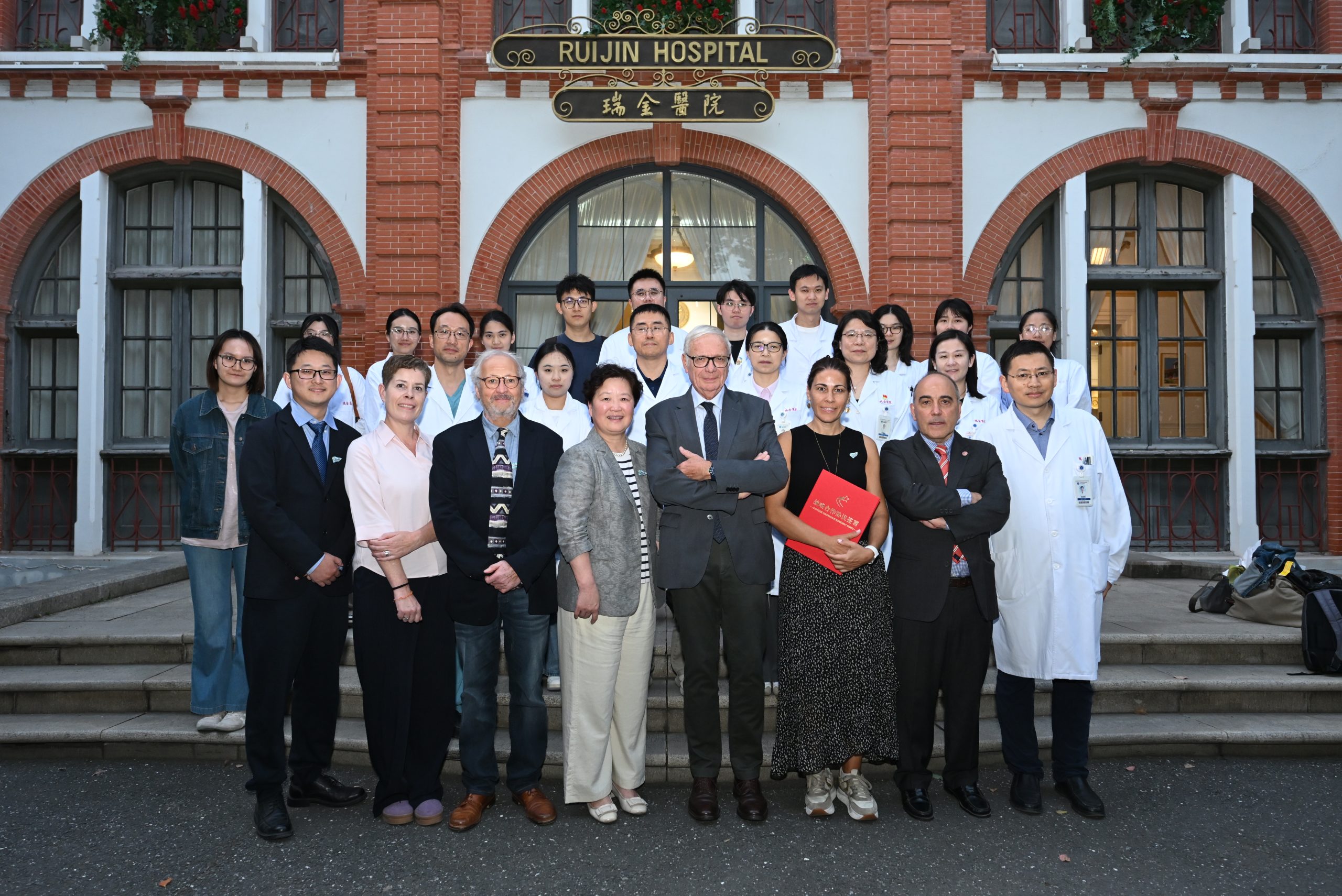
The signing of a Memorandum of Understanding in Shanghai provides a framework for further cooperation in clinical and translational liver research.
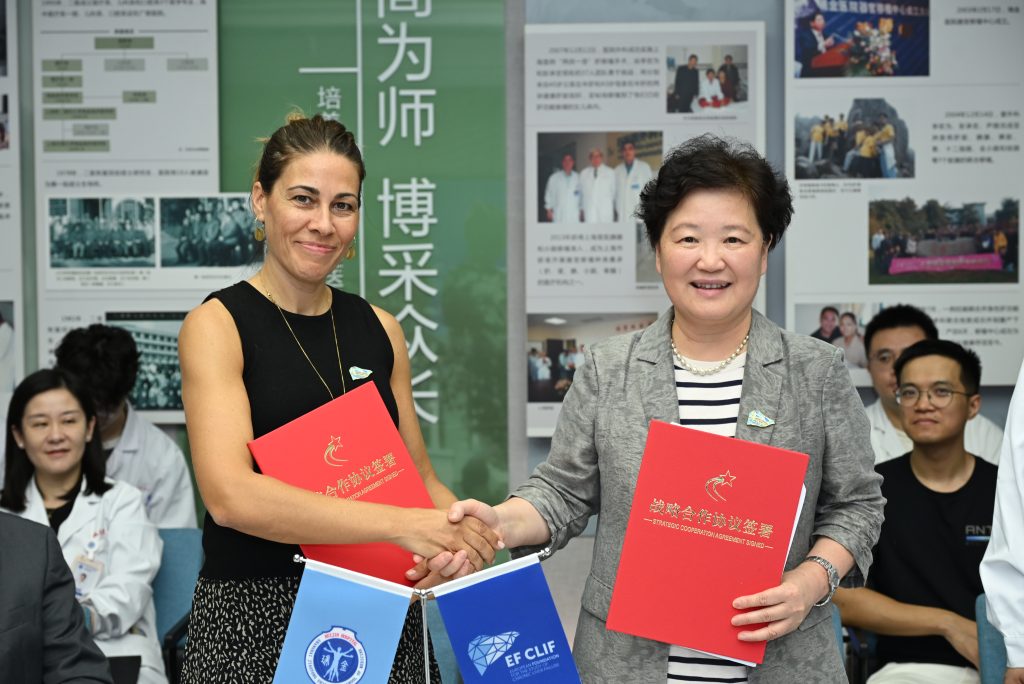
The partnership builds on several years of scientific exchange and shared research interests, particularly in acutely decompensated cirrhosis and acute-on-chronic liver failure (ACLF). By bringing together EF CLIF’s international research networks and expertise in clinical and translational research coordination with Ruijin Hospital’s clinical and translational research capabilities, the collaboration aims to expand opportunities for joint research and strengthen the evidence base for improving patient care.
Following the meeting in Shanghai, we spoke with EF CLIF delegates and members of the Ruijin Hospital research team to hear their perspectives on the collaboration, its scientific potential and the opportunities it creates for future joint research.
Both institutions share an interest in understanding the mechanisms underlying disease progression, identifying biomarkers and molecular targets, and developing new approaches to the management of patients with acutely decompensated cirrhosis and ACLF. Despite advances in standard care, significant unmet clinical needs remain, including the high mortality of patients awaiting liver transplantation.
The collaboration offers opportunities to investigate whether findings obtained in European and Latin American patient populations can be extended to Chinese patients, whose underlying liver disease etiologies may differ. Research involving diverse populations could help validate previous scientific findings, identify shared and population-specific disease mechanisms, and inform the development of new diagnostic and therapeutic approaches.
The partnership also builds on previous scientific exchanges and collaborative research activities, including a study linking alterations in the immune system to the progression of decompensated cirrhosis and an increased risk of ACLF. The collaboration has also been strengthened through the participation of Ruijin Hospital physician and researcher Dr. Zhujun Cao in the EF CLIF’s visiting scientist program.
Professor Richard Moreau, Director of EF CLIF, emphasized the importance of the shared scientific interests and mutual trust that underpin the partnership:
Shared interests and confidence are the pillars of the current officialization of the partnership between the two entities.
He highlighted several opportunities arising from closer cooperation, including joint observational and translational research programs conducted in parallel in China and Europe. “Such programs could accelerate progress in understanding acutely decompensated cirrhosis and support the identification of new biomarkers, including those associated with pre-ACLF and short-term mortality, as well as molecular targets for therapies to complement standard of care.”
Prof. Moreau also pointed to opportunities to explore new clinical trials and align the institutions’ databases in terms of semantics and interoperability, creating new possibilities for cross-population analyses.
The partnership brings together complementary scientific expertise, clinical experience and access to diverse patient populations. Its potential areas of cooperation include observational studies, biomarker discovery, translational and multi-omics research, clinical trials, data harmonization, and research training and exchange.
For EF CLIF, the collaboration also represents an opportunity to strengthen international research coordination and develop the infrastructure needed to support sustainable multicenter studies.
Cristina Sánchez-Garrido, Head of the EF CLIF’s Data Management Center, highlighted the importance of harmonized research practices:
One of the greatest opportunities of international research collaboration is the ability to generate high-quality, harmonized datasets that can support meaningful scientific analyses across different populations and healthcare systems.
She added that differences in data collection practices, clinical definitions, technological infrastructures and regulatory requirements need to be addressed to realize this potential. “Working together from the early stages of research could help establish common standards and sustainable data management processes while respecting the regulatory and data protection requirements of each country.”
The collaboration could also support the development of international clinical studies and trials by combining EF CLIF’s well-characterized patient cohorts with Ruijin Hospital’s clinical expertise, patient population and research capabilities.
Dr. Javier Fernández, Head of Clinical Operations at EF CLIF, said:
Together, we could develop robust international studies, validate findings across diverse populations, and facilitate collaborative clinical trials. This partnership would strengthen the evidence base for new diagnostic and therapeutic approaches.
Combining the institutions’ research resources could also advance understanding of the biological mechanisms underlying decompensated cirrhosis and ACLF. Integrating molecular analyses with well-characterized clinical data from diverse patient populations may help researchers identify disease mechanisms, validate biomarkers and characterize differences in disease progression and outcomes.
Professor Joan Clària, Head of Translational Operations at EF CLIF, said:
The complementary scientific expertise and research resources of EF CLIF and Ruijin Hospital provide a unique opportunity to advance our understanding of the pathophysiology of decompensated cirrhosis and ACLF.
He highlighted the potential of integrating advanced multi-omics technologies, including single-cell and spatial transcriptomics, metabolomics and lipidomics, with mechanistic and translational research. These approaches could help characterize immune dysfunction, systemic inflammation, susceptibility to bacterial infections and progression to organ failure in ACLF.
Prof. Clària also emphasized the potential to accelerate biomarker discovery, validate disease endotypes across diverse populations, and advance precision medicine strategies and new therapeutic approaches for patients with decompensated cirrhosis and ACLF.
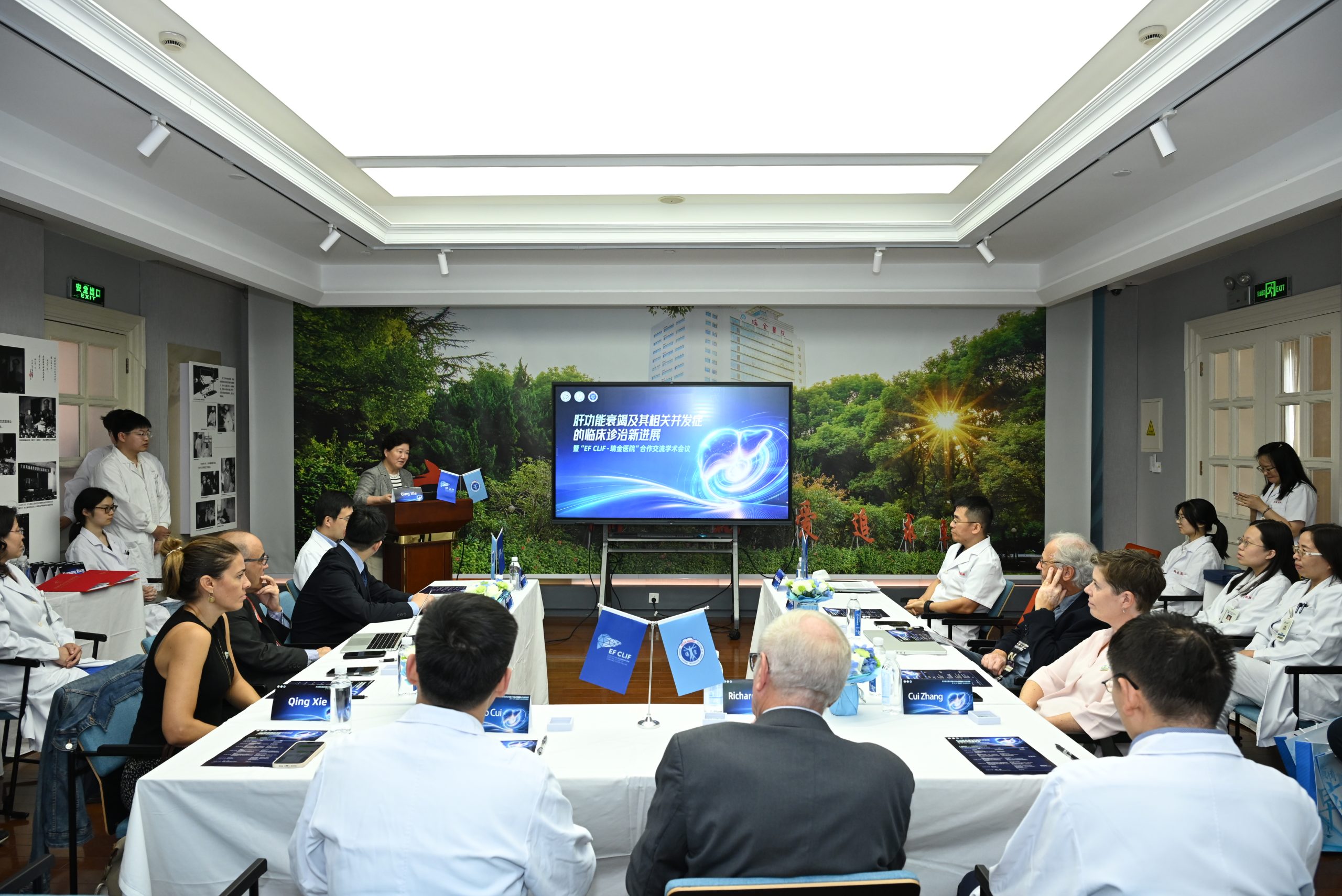
The signing of the MoU took place during a two-day program at Ruijin Hospital on 13–14 October 2026, bringing together researchers and representatives from both institutions for scientific presentations, institutional discussions and a hospital visit.
The academic program covered the development of international research platforms, observational studies in decompensated cirrhosis, data management for global research, clinical trials in ACLF, and translational research at Ruijin Hospital. The meeting also provided an opportunity to exchange perspectives on the institutions’ respective research infrastructure and discuss opportunities for future cooperation.
Dr. Zhujun Cao, a physician and researcher in hepatology and infectious diseases at Ruijin Hospital, Shanghai Jiao Tong University School of Medicine, who spent 18 months as a visiting scientist at EF CLIF, continues to play an active role in developing the scientific collaboration between the two institutions. Building on his work with EF CLIF’s clinical, data management and translational teams, he is helping sustain joint research activities and translate the MoU into ongoing scientific cooperation.
Reflecting on this collaboration, Dr. Cao said:
During my time at EF CLIF, I worked closely with Prof. Moreau and the clinical, data management and translational teams on the immune mechanisms of acutely decompensated cirrhosis and ACLF. That experience has given me a role beyond the visiting scientist program: I now help keep our two teams connected, so that the collaboration continues as day-to-day joint work and not only as occasional exchanges
Putting this collaboration into practice involves aligning research approaches and developing concrete joint activities.
“On the Ruijin Hospital side, my role is to help put the MoU into practice. Our first step is to map the clinical variables, definitions and follow-up of Ruijin Hospital’s cohorts to EF CLIF’s data standards. This will allow our databases to be progressively integrated, and new studies to be built on a common framework from the start. I am also involved in EF CLIF’s work on harmonizing the definitions of organ failure in ACLF. Applying these harmonized criteria to our cohorts will lay the groundwork for joint clinical studies and trials that include Chinese patients. On the translational side, I continue to contribute to transcriptomic studies of the immune response in acutely decompensated cirrhosis and ACLF, and we hope to extend this work beyond my visiting scientist period. Alongside these projects, we want to create opportunities for researcher exchanges between our two institutions. I hope my experience can help others follow the same path”, he explained.
Professor Qing Xie, as the director of the Department of Infectious Disease and Liver Center at Ruijin Hospital, said with confidence:
The signing of this MoU turns years of scientific exchange and mutual trust between our teams into an institutional commitment. Decompensated cirrhosis and ACLF remain major health burden in China, where viral hepatitis still is a leading cause of liver disease and many patients deteriorate rapidly with high mortality. Partnering with EF CLIF allows us to study these patients using internationally recognized definitions and methods, and to bring evidence from Chinese patients into the global understanding of the disease
The agreement also creates new opportunities for Ruijin Hospital’s researchers to engage in international collaboration, access EF CLIF’s research resources and contribute to studies aimed at advancing understanding and care of advanced liver disease. “Moreover, it grants our researchers formal access to EF CLIF’s renowned global multicenter cohorts, standardized research protocols and training programs. This enables cross-population studies to validate biomarkers and disease endotypes among Chinese patients with distinct liver disease etiologies, advancing clinical and translational liver research. The agreement also opens stable channels for talent exchange, joint observational studies, multi omics investigations and collaborative clinical trial design. It elevates Ruijin’s international profile in advanced liver disease research, while generating evidence to optimize care for local patients and contribute shared insights to the global liver research community”, added Prof. Xie.
Building on its established research networks in Europe and Latin America, as well as collaborations with partners around the globe, EF CLIF sees its partnership with Ruijin Hospital as an opportunity to strengthen its scientific links with China. The agreement provides a framework for developing joint research and exploring further opportunities within China’s research and innovation ecosystem.
Dr. Anna Bosch, General Manager at EF CLIF, said:
EF CLIF has built an international research network through collaborations across different regions and healthcare settings. We see an opportunity to build on this experience by strengthening our relationship with Ruijin Hospital and exploring further connections with the research community in China. By combining complementary expertise, research infrastructure and patient data, this partnership can create mutual benefits and support research that draws on diverse populations and scientific perspectives. In the longer term, it may also open up opportunities to partner with industry. Our aim is to develop a sustainable collaboration that advances liver disease research and ultimately benefits patients worldwide.